


Brussels, 14 September 2026 – The iBeCHANGE project brought together a wide range of stakeholders on 14 September for a dedicated roundtable examining how the project’s work can continue beyond the end of its European Union funding period and develop into a sustainable component of cancer prevention systems.
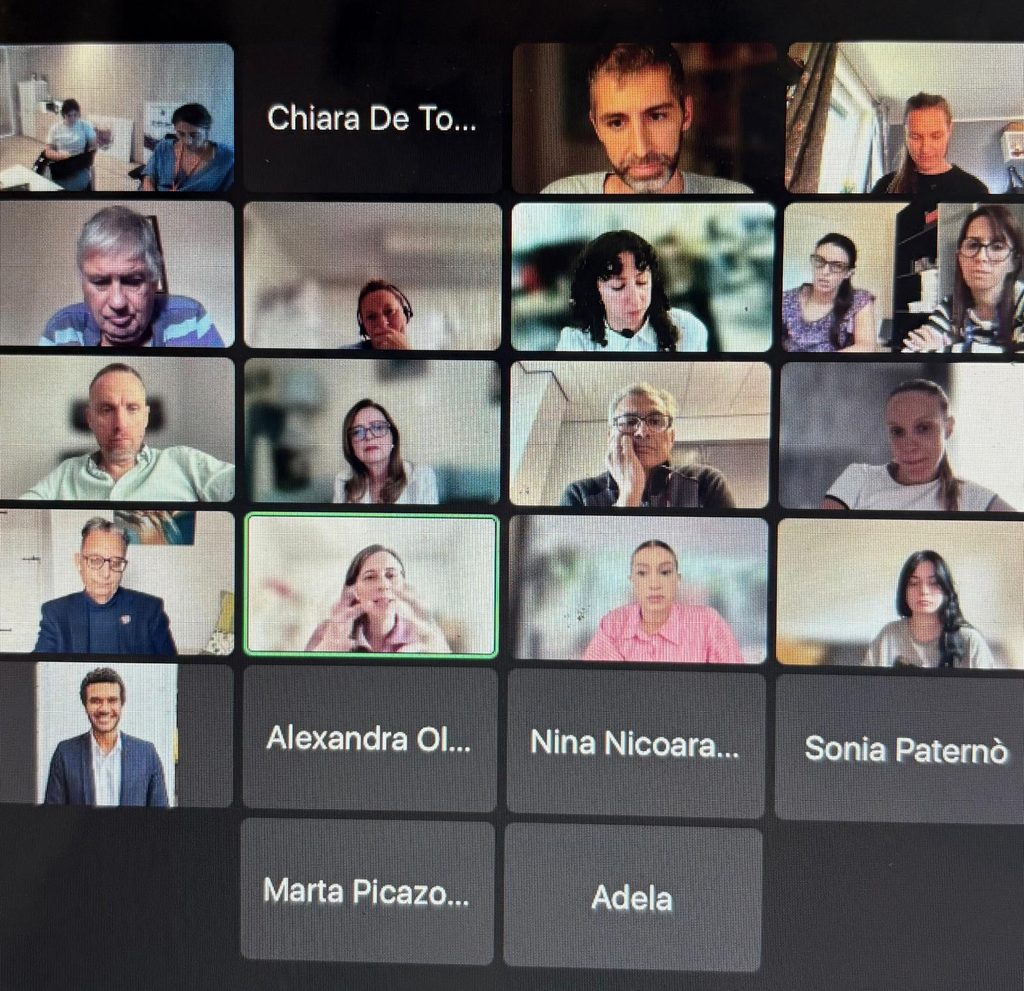
Hosted and moderated by the European Alliance for Personalised Medicine (EAPM), the online stakeholder roundtable, “From EU-Funded Project to Sustainable Prevention Pathway”, brought together representatives from the iBeCHANGE consortium, related EU projects, patient and advocacy organisations, clinical and public-health communities, technical and data experts, and stakeholders working on policy, evidence and implementation.
The discussion centred on a key question: What must happen before the end of the EU grant for iBeCHANGE to become a trusted, evidence-based and maintainable component of cancer prevention systems?
Rather than focusing solely on the project’s achievements to date, the roundtable was designed as a working session to identify the practical steps required for long-term sustainability. Participants were invited to challenge existing proposals, share lessons from other European projects and identify concrete actions, potential owners and timelines for taking the work forward.
A central theme of the discussion was the need to position iBeCHANGE not simply as a digital behavioural-change tool, but as a broader European prevention pathway. The project brings together personalised behavioural support, emotional-management strategies, AI-enabled recommendations, responsible data governance and policy translation, with the aim of supporting healthier behaviours and strengthening prevention approaches.
The first part of the roundtable focused on what elements of iBeCHANGE should be sustained beyond the project. Representatives of the consortium discussed the behavioural and psychological foundations of the approach, technical sustainability, and questions around ethics, data protection and responsible artificial intelligence. These perspectives provided the basis for the wider stakeholder discussion on how the project could be maintained, developed and integrated after the end of the grant.
Lessons from other EU-funded initiatives then provided a broader perspective. Representatives from projects including PRIME-ROSE, PIONEER, ASSESS-DHT, CAN.HEAL and SUNRISE shared practical experiences of sustainability and implementation. Each project was asked to identify lessons that could be transferred to iBeCHANGE, as well as approaches that could be avoided or further developed through collaboration.
The discussion then moved to the perspectives of patients, citizens and advocacy organisations. Stakeholders from organisations including the European Cancer Patient Coalition, Europa Donna and Tackle Prostate Cancer considered what would be needed for people to trust, understand, access and continue using an approach such as iBeCHANGE. The discussion also explored how patient and advocacy organisations could contribute to validation, relevance and continued uptake.
Clinical, technical, public-health and implementation perspectives were subsequently brought into the discussion, with participants considering how iBeCHANGE could fit into real-world prevention, screening and care pathways. Key questions included what evidence would be needed to support adoption, how the platform could integrate with existing systems and infrastructure, and what technical, governance and maintenance arrangements would be required for safe and durable implementation.
The roundtable also highlighted the importance of looking beyond the technology itself. For iBeCHANGE to achieve long-term impact, stakeholders discussed the need for appropriate evidence on effectiveness, acceptability, implementation readiness, cost-effectiveness, equity, governance and safety. The economic and policy case for continued implementation, as well as potential routes for future funding, were also identified as important areas for further work.
A key outcome of the meeting will be the development of an iBeCHANGE Sustainability Action Matrix, bringing together the priorities and practical proposals emerging from the discussion. The matrix is intended to capture what should continue, who should use and maintain the approach, how it could be financed, what evidence remains necessary, and which stakeholders could take responsibility for the next steps.
The discussion therefore marks an important transition from considering what iBeCHANGE can deliver within the project period to examining how its tools, evidence, partnerships and knowledge can continue to create value afterwards.
The sustainability work will feed into the project’s wider Sustainability Policy Strategy and exploitation planning, helping the consortium translate stakeholder feedback into concrete actions over the remaining project period.
The iBeCHANGE project has received funding from the European Union’s Horizon Europe research and innovation programme under Grant Agreement No. 101136840. Co-funded by the European Union. Views and opinions expressed are those of the author(s) only and do not necessarily reflect those of the European Union or HADEA. Neither the European Union nor the granting authority can be held responsible for them.